
Furnace carbon monoxide leaks happen when a gas furnace can't burn fuel cleanly or vent its exhaust outdoors. Carbon monoxide (CO) has no color or smell, so a working alarm is often your only warning. Here's what homeowners and businesses in Pittsburg and Joplin should watch for.
Can a Furnace Leak Carbon Monoxide?
Yes, a gas or propane furnace can leak carbon monoxide when its combustion or venting system fails. Burning fuel creates exhaust that contains CO, and a healthy furnace vents it outside through the flue.
A cracked heat exchanger is a common culprit. This metal chamber keeps burner exhaust separate from the air your blower circulates, so a crack can let combustion gases into your ducts. Blocked or disconnected vents and dirty burners can also push CO indoors, especially in older furnaces.
Can an Electric Furnace Produce Carbon Monoxide?
No, an electric furnace can't produce carbon monoxide because it doesn't burn fuel. That's one reason some owners choose all-electric heat when comparing a heat pump to a furnace. Gas water heaters, fireplaces, and attached garages can still release CO, though, so electric homes need alarms too.
What Are the Warning Signs of Carbon Monoxide Poisoning?
The most common carbon monoxide poisoning symptoms are headache, dizziness, weakness, upset stomach, vomiting, chest pain, and confusion. Unlike the flu, CO poisoning usually comes without a fever, can affect several people or pets at once, and eases once you get somewhere with fresh air. Someone who's asleep can be poisoned before ever feeling sick.
Your furnace may also show a yellow, flickering flame instead of a steady blue one, or soot around the unit. Some furnace troubleshooting problems matter here, too. A furnace that keeps shutting off, isn't turning on, or starts blowing cold air may have a safety switch reacting to a blocked vent. A furnace igniter not working usually means no heat. You can replace a dirty filter, but leave gas parts to a licensed technician.
Where to Put a Carbon Monoxide Detector?
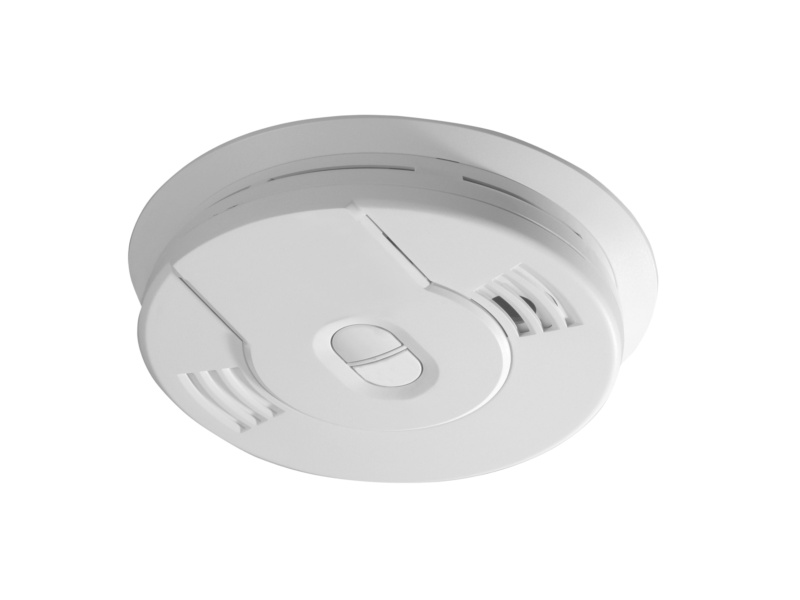
Carbon monoxide detectors belong outside each separate sleeping area and on every level, including the basement. As for how many carbon monoxide detectors you need, a two-story home with a basement and one bedroom hallway needs at least three. Keep alarms away from the furnace and steamy bathrooms, and test them monthly.
If your carbon monoxide alarm is going off, get everyone outside and call 911 from fresh air. Don't restart the furnace until a technician inspects it.
How Does a Yearly Furnace Inspection Prevent CO Leaks?
A yearly furnace inspection catches cracks, blockages, and combustion problems before they turn into a furnace carbon monoxide leak. The CDC recommends annual service for gas-burning heating systems. During annual HVAC maintenance, a technician examines the heat exchanger, checks the flame, and tests venting and safety switches. A cracked heat exchanger usually means shutting the furnace down until it's repaired or replaced. Between visits, change your filter and keep outdoor vents clear of snow.
Whether your furnace needs an inspection or replacement, Harris Heating & Air serves homeowners and businesses in Pittsburg, Kansas, plus Webb City, Joplin, Carl Junction, Carthage, and Neosho, Missouri. Schedule your free estimate today.