
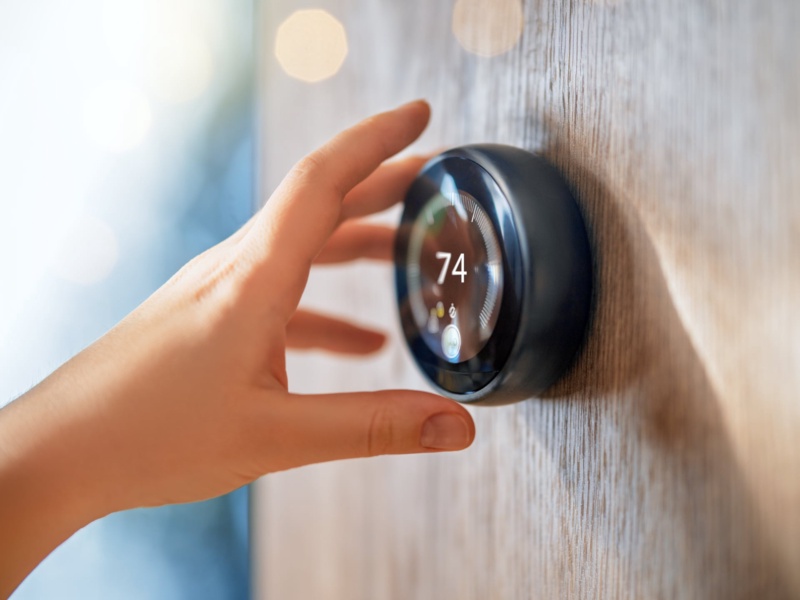
If you own an older home and are wondering whether connected temperature control is out of reach, the answer may surprise you. A non-smart home does not need to be fully automated to benefit from modern thermostat technology. In most cases, you need just two things: a compatible HVAC system and a Wi-Fi connection.
Smart Thermostats Work With Most HVAC Systems
According to the U.S. Department of Energy, most forced-air HVAC systems installed after 1975 are compatible with today's connected thermostats. That means installing a smart thermostat in an older home setup is well within reach for most homeowners. Exceptions include baseboard heating, biofuel systems, and in-wall heaters. If your system is multi-stage, variable speed, or zoned, consult an HVAC professional before purchasing a unit.
All You Need Is Wi-Fi
A wifi thermostat connects directly to your home's existing wireless network—no smart hub, smart speaker, or additional devices required. Once connected, you can adjust your home's temperature remotely through a smartphone app, set custom schedules, and receive energy usage reports, all without owning a single other smart device.
Features That Work Without a Smart-Home Ecosystem
A smart thermostat delivers meaningful functionality even in a fully traditional home:
- Remote temperature control via a smartphone app from anywhere
- Auto-scheduling based on your daily routine
- Real-time alerts for unusual temperature changes
- Compatibility with most standard HVAC systems
- Manual wall control, just like a traditional thermostat
None of these features requires voice assistants, smart lighting, or any other connected technology.
Real Energy Savings Without the Ecosystem
Energy savings are one of the most compelling reasons to upgrade. According to ENERGY STAR, certified connected thermostats can save homeowners approximately 8% on annual heating and cooling bills, or roughly $50 per year on average. In climates with more extreme seasonal temperature swings, annual savings can reach $100 or more. The U.S. Department of Energy also notes that adjusting your thermostat 7–10°F for eight hours per day can cut energy use by up to 10% annually. A smart thermostat automates that adjustment without any manual effort on your part.
Is Your Home's Wiring Compatible?
The most common installation barrier in an older home is the C wire, also called the "common wire." This wire provides the constant power supply that the thermostats need to maintain a Wi-Fi connection and run their displays. Many homes built before the 1990s were not wired with a C wire during original construction. This does not automatically rule out a connected thermostat. Some models are designed to operate without one, and in other cases, a licensed HVAC technician can run a new wire from your furnace or air handler to your thermostat location.
Schedule Your HVAC Service With Harris Heating & Air
Pittsburg, Kansas, homeowners and businesses—if you're ready to explore whether a smart thermostat is right for your home or commercial space, Harris Heating & Air is here to help. Whether you need a seasonal HVAC check to confirm your system is running at peak efficiency or a repair, our team is ready to come to you. Call Harris Heating & Air today at (620) 235-9117 to schedule your appointment and stay comfortable all year long.